At this year’s American Trucking Associations Management Conference & Exhibition (MCE), FleetOwner’s Josh Fisher sat down with Danielle Prigge, Chief Commercial Officer at Mastery Logistics Systems, for a candid conversation about one of the most pressing topics shaping the industry: how fleets can realistically prepare for AI in trucking.
For Danielle, the path forward is clear. The future of transportation technology isn’t just about automation or algorithms; it’s about unified systems, data quality, and empowering the people who keep freight moving.
“There’s not a conversation today that doesn’t include AI,” she emphasized. “But if people aren’t good at the fundamentals, AI can’t deliver the impact everyone is hoping for.”
The Industry’s Inflection Point
The trucking industry is experiencing a major shift toward digital transformation, driven by consolidation, multimodal growth, and mounting pressure to increase efficiency. Many fleets today still rely on a patchwork of legacy tools and custom-built systems, making it difficult to scale, automate, or support AI-driven decision-making. Danielle sees this challenge everywhere.
“Data coming from one system can look completely different from another. Until that’s unified, AI can’t do its job.”
This reality underscores why many organizations struggle to adopt AI-enabled tools. Without clean, connected, and structured data, even the most powerful transportation management systems fall short.
One System, One Workforce
Prigge explained that moving toward a unified logistics system is not just a technology upgrade, it’s a workforce transformation.
“Speed to productivity matters. If a user has to learn three different systems just to do one workflow, you lose them before they even get started.”
A modern, cloud-native TMS like MasterMind® gives every team—from dispatch to customer service to accounting—a single, consistent experience. That means faster training, reduced turnover, and a stronger foundation for automation and AI in transportation.
Change Management: The Deciding Factor in Modernizing a TMS
Even with the right TMS platform, success hinges on people. Danielle emphasized that change management in trucking is often overlooked but is the linchpin of a successful implementation.
“If you don’t have end-user buy-in, strong SOPs, and proper training, the whole thing falls over.”
Mastery partners directly with customer learning and development teams to roll out transformation in stages—crawl, walk, run—ensuring that teams can grow into new workflows without disruption.
Mastery even places specialists alongside customers during rollout to accelerate adoption:
“We put people on site. Small tweaks to someone’s day can make a huge impact user buy in and overall user success.”
AI Starts With Clean, Connected Data
So how do you determine whether a TMS implementation is working? Danielle bought the conversation full circle: AI readiness begins with foundational data and unified systems.
“Everyone wants to figure out their AI strategy. But it’s all rooted in data and fundamentals.”
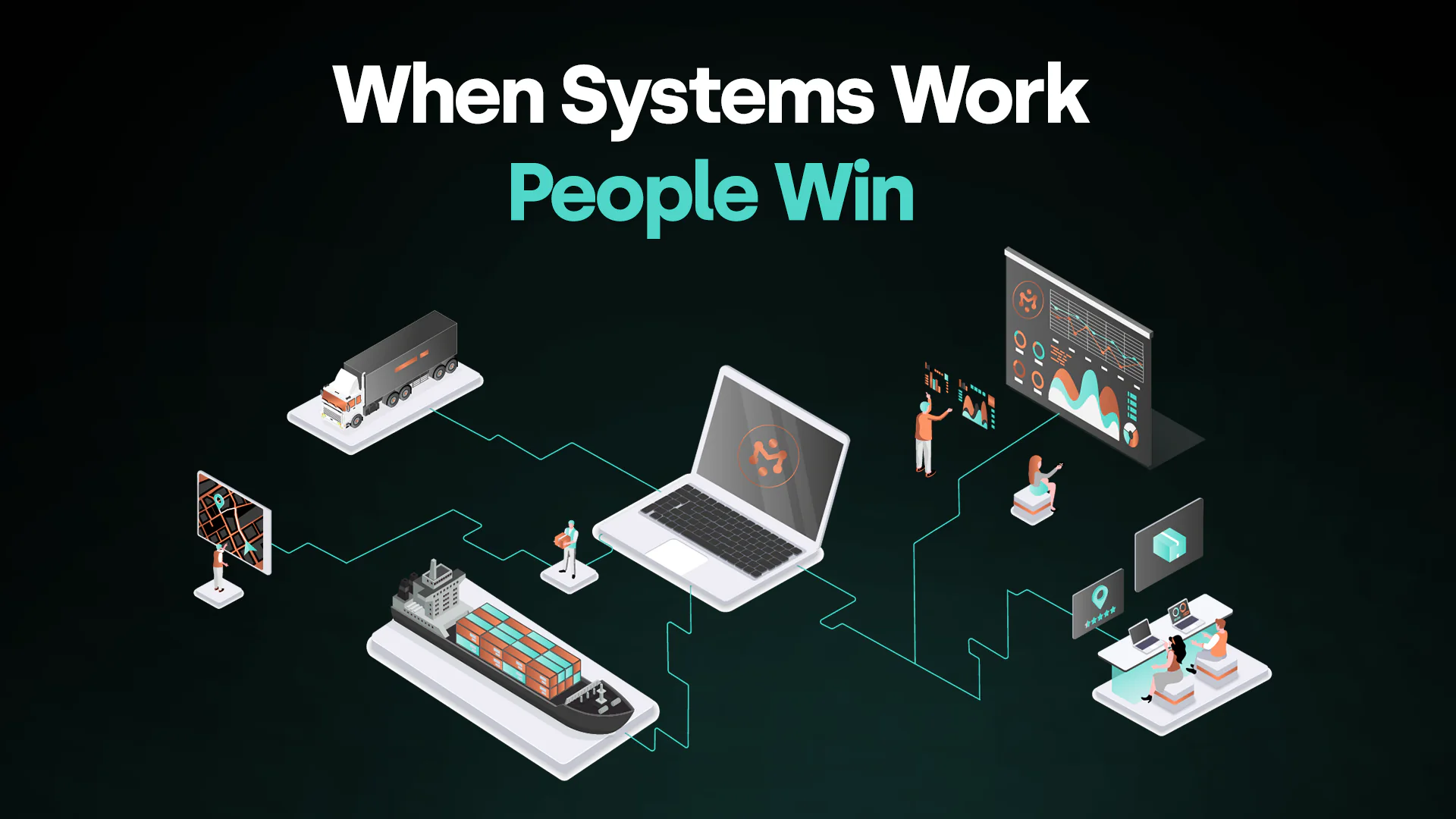
AI becomes powerful not when it replaces people, but when systems work together, so people can operate at their highest level.
Watch the Full Interview
To hear the full interview of Danielle’s insights on AI, TMS modernization, and transforming fleet operations.
FAQs
Frequently asked questions
- What is the biggest barrier to adopting AI in trucking today?
The biggest barrier is disconnected, unclean data. If data coming from one system looks different from another, AI can’t do its job effectively — no matter how advanced the technology is. Unified systems and data quality come first.
- How should fleets prepare for AI before adopting AI-powered tools?
Fleets need to master the fundamentals first — clean data, connected systems, and standardized workflows. As Danielle Prigge puts it, if teams aren’t good at the fundamentals, AI can’t deliver the impact everyone is hoping for.
- How does a unified TMS support AI readiness in transportation?
A single, cloud-native TMS like MasterMind connects orders, assets, drivers, and workflows in one place — creating the clean, structured data foundation that AI needs to generate reliable insights and automate decisions across the fleet
- Why does user adoption matter so much in a TMS implementation?
If planners and dispatchers have to learn three different systems just to complete one workflow, they disengage before the technology can deliver value. A unified experience speeds up training, reduces turnover, and sets teams up for long-term success.
- Does AI in trucking replace dispatchers and planners?
No. AI becomes most powerful when it works alongside people, not instead of them. When systems are unified and data is clean, planners and dispatchers can operate at their highest level — making better decisions faster with AI as a tool, not a replacement.